Every father remembers the moment his child was born. Far fewer talk about the moment they realized they could have lost the mother, too.
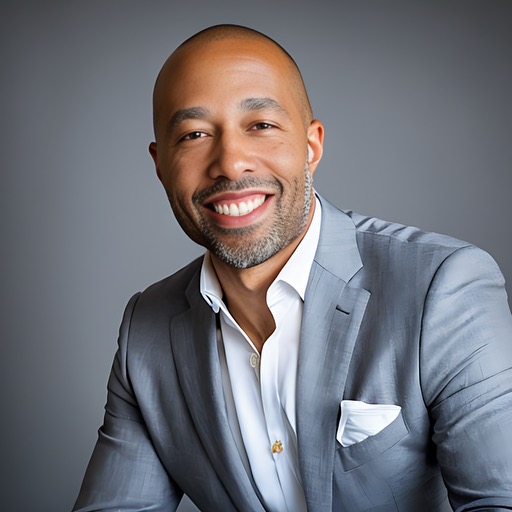
For Charles Johnson, that moment defined the rest of his life. He lost his wife, Kira, after a routine C-section, while his warnings to hospital staff went ignored for hours. "I told them something was wrong," Charles remembers. "For hours, I was told my wife simply wasn't a priority. By the time they took her in, it was too late." His story is extraordinary, but the fear behind it is one millions of fathers know, and one almost none are taught what to do with.
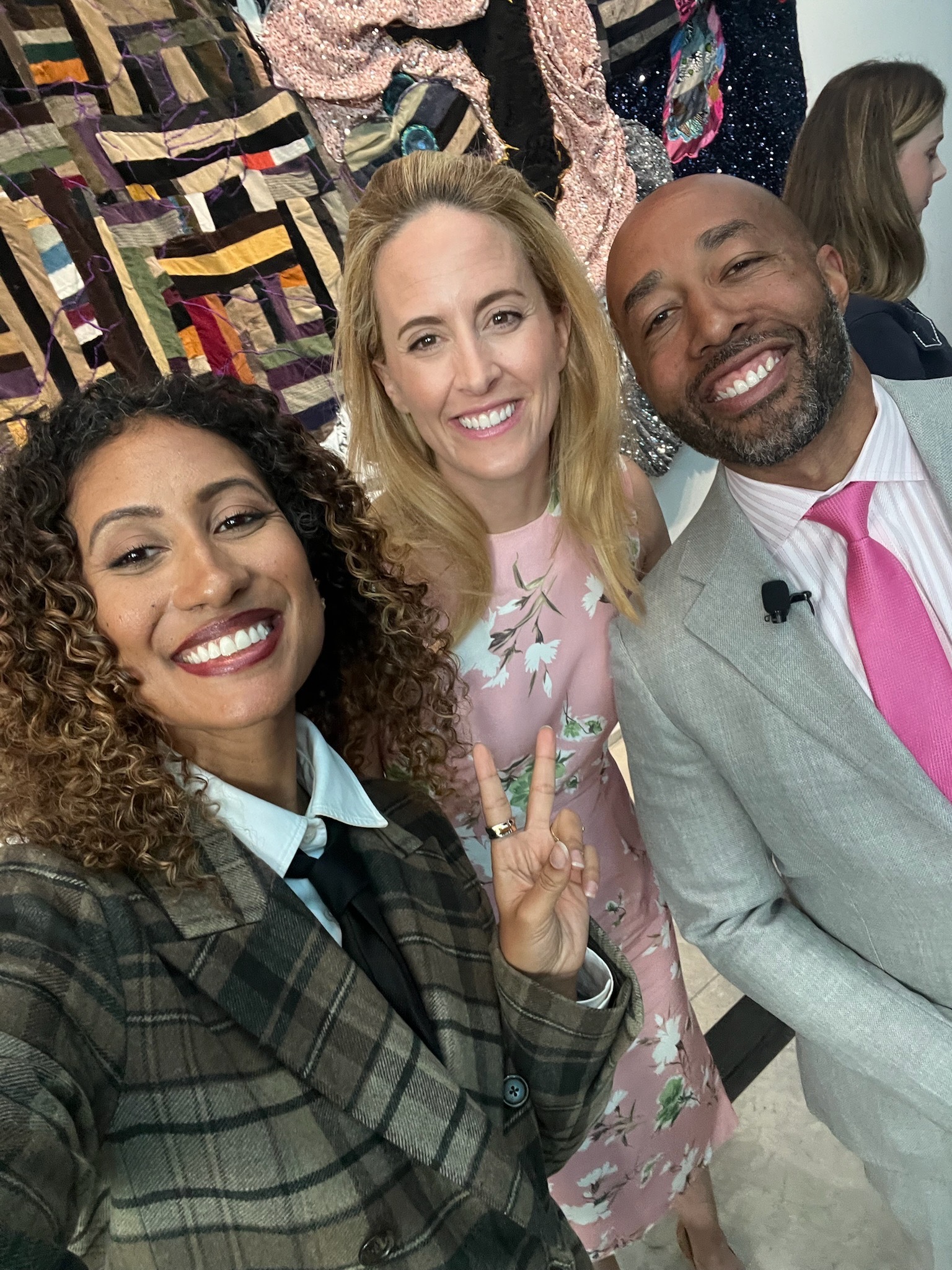
We come to this issue from different corners of the maternal health movement, united by a conviction that this crisis is too urgent, and too solvable, not to join forces. Charles turned the loss of his wife into his life's mission, helping to pass the first federal law dedicated to maternal mortality. Elaine built a fund that has raised millions for families who could not otherwise afford midwifery, a life-saving form of birth care that is underfunded and often overlooked. Olivia leads a bipartisan coalition to scale what's working at the state level nationwide. Today, we bring those efforts together, and speak with one voice.
We believe the same thing: a country that claims to value families cannot accept a maternal mortality crisis. The health of American mothers is a national emergency.
When a mother's life is at risk, the consequences reach far beyond the delivery room. Children stand to lose a parent and partners lose the person they love. Yet men have too often been treated as spectators in this conversation rather than essential participants.
That is a mistake, and it is costing lives.
Fathers have a direct stake in ensuring safe pregnancies and healthy births. They are often the first to notice when something is wrong, but too many dads are left without the knowledge or support to take the actions their families desperately need.
What too many Americans still do not understand is how dangerous childbirth remains in the United States. America is the deadliest high-income country in which to give birth, and the crisis is only getting worse, not better. Since the 1980s, maternal mortality has more than doubled in the U.S., even as most other wealthy nations have driven rates down.
Access is a major part of the problem. More than 2.3 million women live in maternity care deserts, with no hospital, birth center, or obstetric provider nearby. Black women continue to face the greatest risk, dying at 3 to 4 times the rate of white women in childbirth.
Here is the part that should make all of us angry: more than four in five maternal deaths are preventable. This is not bad luck, and it is not fate. It is a failure of access, attention, and political will.
And we already know one of the solutions. Research shows midwifery-led care could help prevent up to 80% of maternal deaths. Yet despite the evidence, midwifery remains underfunded and underutilized in America.
Many maternal deaths happen not in the delivery room but in the quiet weeks after, when a new mother is home and exhausted and the hospital's attention is gone. A partner who knows the warning signs, including a crushing headache, trouble breathing, or heavy bleeding, can be the difference between a scare and a tragedy. He also protects her mental health: postpartum depression and anxiety are among the most common complications of childbirth, and strong support at home measurably lowers the risk.
But fathers can only show up if they are set up to. And right now, too many aren't.
Paid leave is a maternal health intervention, not a workplace perk. When fathers take time off after a birth, mothers recover better and report fewer symptoms of postpartum depression. Yet most American dads have little or none.
Child care now costs more than rent or college tuition in much of the country, pushing mothers back to work before they have healed. And health coverage too often lapses in the postpartum window, exactly when most maternal deaths occur.
These are all policy choices. They can be changed, and they must be.
That's why we are calling on dads to join us in taking action.
Because this isn't just a mother's issue. This is a family issue. It always has been.
The work to fix it is already underway. BirthFUND funds midwifery care for families who could otherwise never afford it, care that cannot be a luxury for the wealthy alone. Healthy Moms, Healthy Babies America is scaling a state-led playbook of proven solutions, building the bipartisan case that what works in Arkansas and New Jersey can work everywhere. And 4Kira4Moms, through its 4Kira4Dads initiative, trains fathers to do the very thing that might have saved Kira: speak up, trust your instincts, and refuse to be dismissed when you know something is wrong.
We spend a great deal of time in this country talking about protecting the people we love. There is no more important place to do that than on this issue.
So this Father's Day, we are asking the men reading this to do three things:
- Learn the warning signs of maternal complications, and take your partner's pain seriously when she tells you something is wrong.
- Demand and use paid family leave, and push your employer and elected officials for affordable child care.
- Change the culture in your own circle, so that a dad who is "all in" is the expectation, not the exception.
This Father's Day, let's act like maternal health is what it truly is: a family issue.
Because we cannot be present in the delivery room and absent from the fight for safer births. The women who make men fathers deserve to survive becoming mothers. This should not be an aspiration. It should be a standard our country holds itself to.
Elaine WelterothFounder, BirthFUND
Charles Johnson IVFounder, 4Kira4Moms
Olivia WaltonFounder, Healthy Moms, Healthy Babies America